When hiring an HVAC repair technician, it’s essential to know about their experience and certification. Asking about their work history can give you insights into their expertise in dealing with various HVAC repair scenarios. Certification indicates that the technician is knowledgeable about industry standards and practices, ensuring that you receive quality service.
Dive deeper by inquiring about any ongoing training or certifications they maintain, as this highlights their commitment to staying updated with the latest HVAC systems and technologies. Lastly, don’t hesitate to ask for references or testimonials from previous clients to gauge the technician’s reliability and skill.
Understanding the qualifications of your HVAC repair technician helps establish trust and confidence in their abilities. Their ability to provide identification numbers tied to their certification can also be a critical verification step. When technicians willingly share their credentials, it reflects their professionalism and transparency. Moreover, hiring a certified HVAC repair technician assures you of warranty protection, as many HVAC manufacturers require certified professionals for repair to keep warranties valid. Choosing a qualified professional ultimately means fewer chances of encountering problems post-repair.
Discussing the Diagnosis and Proposed Repairs
Once a technician assesses your system, it’s crucial to engage in a detailed discussion about their diagnosis and the proposed solutions. Ask them to explain the identified issue in layman’s terms so you can understand what is malfunctioning in your system. This dialogue not only informs you but also provides an opportunity to evaluate the technician’s expertise and communication skills. It’s essential that you clearly understand how their proposed repair will solve the problem and what the long-term implications are. Additionally, verify if the proposed repair is the most cost-effective option that won’t compromise the system’s efficiency.
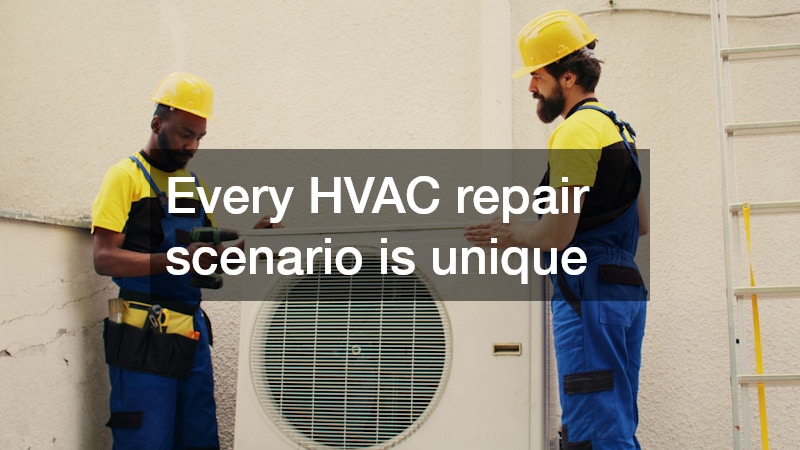
Every HVAC repair scenario is unique, which is why a tailored approach is vital. A transparent conversation with the technician lets you stay informed of the necessary steps and any underlying issues that may not be immediately visible. If you have concerns about the suggested repair, don’t hesitate to ask for a second opinion. Comparing different diagnoses can sometimes reveal more cost-effective or reliable solutions. Being proactive in these discussions helps ensure you get the best value for your investment in HVAC repair.
Inquiring About Costs and Expenses
Having a clear understanding of costs is a critical aspect of any HVAC repair service. Begin by requesting a detailed estimate that includes labor, parts, and any additional fees that may arise. It’s important to differentiate between costs related to immediate repairs and those that are part of regular maintenance. Discuss any payment plans or financing options that the company might offer to alleviate financial strain. Price transparency is crucial, as it prevents unexpected expenses and fosters trust between you and the technician.
Cost breakdowns help identify which aspects of the repair are most significant, allowing you to balance quality and budget effectively. Understanding these costs not only aids in financial planning but also prepares you for future expenditures. Additionally, knowing the average market rates for specific repairs empowers you to negotiate better deals or recognize if a quote is unreasonably high. It’s wise to compare estimates from multiple technicians to ensure competitive pricing. Awareness of the cost hierarchy helps prioritize repairs based on urgency and budget constraints.
HVAC repairs are investments that require careful consideration and discussion with your repair technician. A comprehensive overview of expenses minimizes the risk of encountering hidden costs. This step is crucial in planning both immediate repair actions and long-term maintenance strategies for your HVAC system. By clarifying costs upfront, you avoid any surprises that might disrupt your financial stability. Discussing costs also gives an opportunity to explore preventative maintenance plans, which can prove beneficial in the long run by preventing costly emergency repairs.
Clarifying the Repair Timeline
Understanding the timeline for HVAC repairs is vital for managing your daily activities effectively. Inquire about how long the diagnostic process will take, followed by the repair work itself. A transparent timeline provides you with a framework to schedule your day or make arrangements if you need to leave the premises. Ensure the technician communicates any potential delays, especially if additional issues are uncovered during the repair. Clear expectations establish a mutual understanding of the repair process, leading to a smoother experience.
The timeline for repairs often depends on the complexity of the issue and the availability of necessary parts. For complex repairs, inquire if any temporary solutions might be available to maintain essential systems until the full repair can be completed. When technicians provide realistic timeframes, it reflects their experience and respect for your patience and time. This commitment to timely communication reduces stress and enhances service satisfaction. Ensure you understand which parts or processes might extend the timeline and discuss any strategies to expedite the work.
Time management in repair work often correlates directly with the technician’s efficiency and access to resources. If a technician can detail each stage of the repair process and estimate completion times, it indicates well-structured project management skills. Additionally, this empowers you to prepare for any changes in routine or discomfort caused by service interruptions. Discuss any contingencies planned for unfavorable scenarios like inclement weather, which might delay outdoor units being serviced. Keeping the repair timeline aligned with your time constraints is important for a successful HVAC repair experience.