Whether you’re a new homeowner or have lived in your house for years, roof maintenance is an essential aspect of keeping your home in good condition. One of the key components of this maintenance is regular roof cleaning, which not only improves your home’s appearance but also protects the integrity of your roofing materials. Understanding how often your roof needs to be cleaned, the signs that indicate it requires attention, and the best cleaning methods can help extend its lifespan and maintain the overall value of your property.
What Is the Ideal Frequency for Roof Cleaning?
The ideal frequency for roof cleaning can vary depending on several factors, including your local climate, the type of roofing material you have, and the surrounding environment. Homes in humid or rainy areas are more susceptible to moss, algae, and lichen growth, which may require more frequent cleaning. Roofs shaded by trees or near dense foliage can accumulate leaves, debris, and organic matter faster, leading to staining and potential water damage. The type of roofing material also matters: asphalt shingles, metal roofs, tile roofs, and cedar shakes each have unique maintenance requirements and tolerances for different cleaning methods.
Despite variations, most roofing professionals recommend cleaning your roof every one to two years. However, in areas with heavy tree coverage, extreme weather, or frequent rainfall, more frequent cleaning may be necessary to prevent moss, algae, and debris from causing long-term damage.
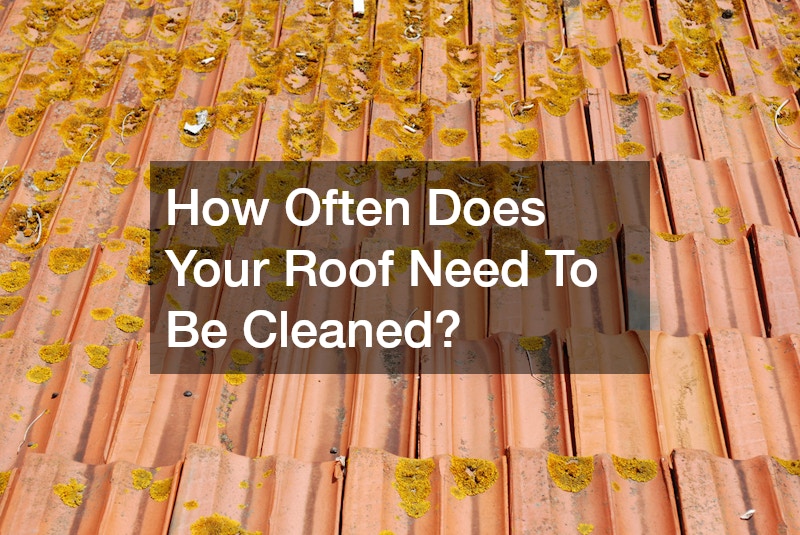
Homeowners should also watch for specific signs that indicate their roof requires attention. Visible moss or algae growth, dark streaks or discoloration, accumulation of leaves and debris, and evidence of water pooling near gutters are all clear indicators that a cleaning is due. Addressing these signs early can prevent damage to shingles, leaks, and decreased energy efficiency.
What Are the Best Methods for Cleaning a Roof?
Pressure washing can effectively remove dirt, moss, and algae from your roof. While it is efficient, it must be used carefully, as high-pressure water can damage shingles or tiles, strip protective granules from asphalt shingles, and even cause leaks if applied incorrectly.
For many roofs, soft washing is the preferred method. This technique uses low-pressure water combined with environmentally friendly cleaning solutions to safely remove organic growth and grime without damaging roofing materials. Soft washing works especially well on asphalt shingles, tile roofs, and delicate surfaces that could be compromised by high-pressure washing.
When cleaning your roof, it is important to consider the environmental impact. Avoid harsh chemicals that can harm plants, soil, or nearby waterways. Many professional roof cleaners use biodegradable or non-toxic solutions that safely remove moss, algae, and mildew while protecting the surrounding environment.
How Does Roof Cleaning Affect Roof Longevity?
Routine roof cleaning helps prevent damage from moss, algae, and other elements that degrade roofing materials over time. These growths can trap moisture against shingles, tiles, or other roofing surfaces, accelerating wear and potentially causing warping, rot, or cracking. Removing them not only minimizes the risk of leaks, shingle deterioration, and structural damage but also preserves the protective layers of your roof, helping it maintain its overall integrity for years to come. Regular cleaning also allows homeowners to inspect the roof more closely, catching minor issues like loose shingles or small cracks before they develop into costly repairs.
A clean roof can also contribute to better energy efficiency. Dark streaks from algae, mold, or accumulated debris can increase heat absorption, causing the attic and upper floors of your home to become warmer and raising cooling costs during warmer months. Maintaining a clean roof ensures that it reflects sunlight effectively, preventing excessive heat buildup and helping your HVAC system operate more efficiently. Additionally, a well-maintained roof can improve ventilation and reduce the risk of heat-related damage to shingles, prolonging their lifespan and saving homeowners money on future repairs.
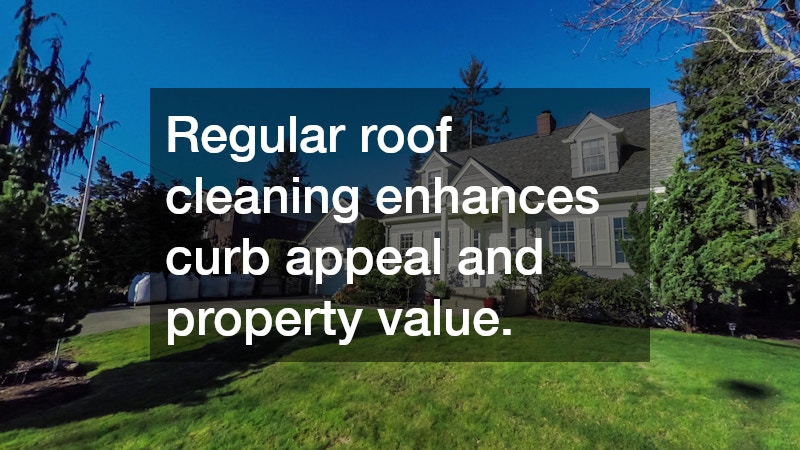
Finally, regular roof cleaning enhances curb appeal and property value. A well-maintained, spotless roof dramatically improves the overall appearance of your home, giving it a fresh and polished look. It also signals to potential buyers that the property has been properly cared for, which can positively influence resale value. Clean, visually appealing roofs show attention to detail and maintenance, attracting buyers and improving market perception. Beyond aesthetics, a clean roof reflects a homeowner’s commitment to upkeep, reinforcing the impression that the property is reliable, safe, and move-in ready.
Understanding the importance and methods of roof cleaning is essential for homeowners. Regular roof maintenance protects the structure and longevity of your roofing materials, enhances energy efficiency, and boosts your home’s aesthetic appeal and value. By monitoring your roof for signs of moss, algae, debris, and discoloration, and by using safe and effective cleaning methods such as soft washing, you can extend the life of your roof. Scheduling routine cleaning every one to two years—or more often based on environmental conditions—ensures that your roof continues to perform effectively, protecting your home and investment for years to come.