Managing home upkeep often feels like a full-time job. Between sudden equipment failures and the endless stream of seasonal chores, staying on top of every requirement can quickly become overwhelming. However, keeping a house in top condition does not have to mean living in a state of continuous hassle. By transitioning from a reactive approach to a proactive, structured system, you can protect your investment while keeping your weekends free.
Creating a routine that works requires a blend of smart organizing, leveraging qualified professionals, and automating seasonal tasks. When you establish a systematic framework, you eliminate the guesswork, prevent costly emergency repairs, and ensure your living space remains a sanctuary rather than a source of anxiety.
Transforming Home Care into a Seamless System

Maintaining a property involves dozens of moving parts, but breaking these duties down into manageable daily, monthly, and seasonal habits changes everything. Rather than waiting for something to break, a structured schedule ensures that essential structural, mechanical, and outdoor elements receive timely attention.
Audit Your Property and Build a Centralized Care Hub
The first step in reducing stress is gaining complete visibility over what your property actually requires. Walk through your interior and exterior spaces with a notebook or a digital device, logging every major appliance, mechanical system, and structural component. Record the age, serial number, warranty details, and recommended care intervals for each item. Once you have this inventory, centralize the information in a digital spreadsheet or dedicated household app. Having a single source of truth removes the mental burden of remembering when a filter was last replaced or when an exterior feature was last serviced.
-
Walk through every room with a digital checklist to record serial numbers and manufacturing dates.
-
File all warranty paperwork and digital receipts in a centralized online folder for instant access.
-
Log manufacturer recommendations to establish realistic lifespans for every major household appliance.
Group Tasks Strategically to Reduce Administrative Fatigue
Juggling multiple appointments with individual specialists throughout the year creates unnecessary clutter in your calendar. Instead, group similar services into specific maintenance seasons. For example, schedule all outdoor vegetation and ground care tasks during early spring, and handle all heating, cooling, and power equipment checkups during the late fall. Bundling these tasks allows you to book several vendors at once, clear your obligations in concentrated bursts, and enjoy long stretches of the year completely free from home care disruptions.
-
Group indoor mechanical tune-ups into a single autumn preparation day.
-
Combine all spring outdoor consultations to streamline service contracts and site visits.
-
Designate specific weekends each month for routine home walk-throughs and minor DIY checks.
Create a Home Care Emergency Reserve Fund
Financial surprises are often the single largest driver of home ownership stress. Even with a well-planned calendar, mechanical parts eventually wear out and unpredicted weather events happen. Establishing a dedicated savings account specifically designated for unexpected repairs creates a psychological buffer against panic when an issue arises.
-
Set aside one to two percent of your property value each year in a high-yield account.
-
Automate monthly transfers into your repair fund so your savings grow effortlessly over time.
-
Track historical repair costs to better predict your specific property expenses moving forward.
Streamlining Outdoor Space and Exterior Care
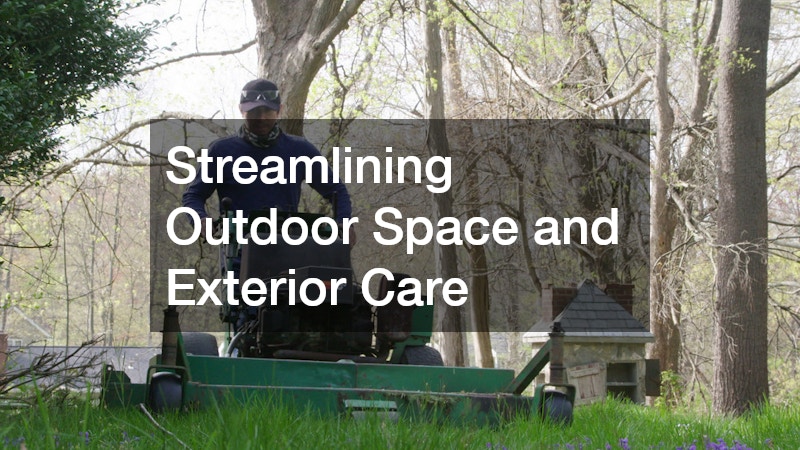
Your outdoor living spaces require consistent attention to stay healthy and appealing. Delegating complex or labor-intensive yard care to dedicated specialists ensures your grounds remain vibrant without consuming your valuable leisure hours.
Set Up Automated Outdoor Care Schedules
Maintaining a lush, green yard demands constant effort, especially during the peak growing months. Trying to handle every aspect of turf care yourself can turn summer into an endless list of physical chores. Partnering with a skilled landscaping contractor allows you to establish a custom seasonal calendar tailored to your specific region and soil type. These professionals can evaluate your outdoor spaces, handle seasonal cleanups, and manage recurring treatment plans so you never have to worry about missing optimal care windows.
-
Request comprehensive landscape evaluations before the spring growing season begins.
-
Schedule recurring site visits for weeding, mulching, and bed maintenance well in advance.
-
Discuss long-term outdoor improvement plans to space out capital investments over several years.
Outsource Recurring Yard Work for Maximum Time Savings
Consistency is the key to healthy grass, but spending hours every weekend pushing equipment across your property quickly leads to burnout. Enlisting a dedicated lawn mowing service ensures that your grass is trimmed at the ideal height and frequency to promote deep root growth and prevent weed invasion. Regular professional care not only keeps your property looking immaculate year-round but also frees up your weekends for rest and recreation.
-
Establish fixed weekly or bi-weekly visit times to ensure predictable lawn care.
-
Confirm that blade height settings are adjusted according to seasonal growth rates.
-
Request edge trimming around walkways and driveways for a crisp, professional finish.
Maintain Lush Grounds with Professional Feeding Programs
Grass requires specific nutrients throughout the year to withstand environmental stress, foot traffic, and extreme temperatures. Coordinating regular fertilizing services ensures that your grounds receive the precise balance of nitrogen, phosphorus, and potassium required at each stage of the growing season. Professional application avoids common DIY mistakes, such as over-fertilization or chemical burns, leaving you with dense, vibrant green space.
-
Test your soil chemistry annually to determine precise nutrient deficiencies before applying products.
-
Time feeding applications to match the active growth windows of your specific grass variety.
-
Water your lawn according to professional directions after each treatment to maximize absorption.
Preserve Specialized Grass Systems with Targeted Upkeep
If your property features specialized green spaces or high-performance grass varieties, standard care protocols may not be enough. Investing in professional turf maintenance ensures that tasks like core aeration, dethatching, and overseeding are performed at the correct time of year. These specialized processes relieve soil compaction, allow water and nutrients to penetrate deep into the root zone, and keep your overall landscape resilient against drought and disease.
-
Schedule core aeration in late summer or early fall to reduce compacted soil conditions.
-
Overseed thin patches immediately following aeration to promote dense, healthy growth.
-
Adjust irrigation schedules to match seasonal rainfall levels and avoid overwatering.
Safeguarding Major Mechanical and Power Systems

The mechanical systems inside your house provide daily comfort, safety, and operational continuity. Because these systems are complex, waiting for a breakdown before taking action often results in expensive emergency fees and prolonged discomfort.
Schedule Biannual Climate Control Tune-Ups
Your central heating and cooling units work tirelessly throughout the year to maintain comfortable interior temperatures. Neglecting these systems leads to decreased efficiency, higher utility bills, and unexpected equipment failure during temperature extremes. Arranging regular ac maintenance twice a year ensures that coils are cleaned, refrigerant levels are checked, and moving components are lubricated before the peak cooling season arrives. This simple habit extends the lifespan of your unit and keeps energy costs predictable.
-
Replace air filters every one to three months depending on household pet ownership and dust levels.
-
Clear outdoor condenser units of leaves, twigs, and debris to maintain unrestricted airflow.
-
Inspect condensate drain lines regularly to prevent water blockages and internal leakage.
Keep Backup Power Solutions Ready for Outages
Unpredictable weather and local power disruptions make backup power solutions an essential line of defense for modern homeowners. A modern generator provides peace of mind, but it requires periodic operational checks to ensure it will start seamlessly during an actual blackout. Running brief monthly self-tests and keeping fuel lines clear guarantees that your emergency power supply is always ready when you need it most.
-
Run standby units under a simulated load for fifteen minutes each month to test responsiveness.
-
Store fresh fuel with appropriate stabilizers if relying on portable secondary power units.
-
Keep electrical transfer switches clear of storage boxes and easily accessible at all times.
Invest in Annual Power Equipment Servicing
Beyond simple self-tests, standby power installations contain mechanical engines that require routine professional care. Booking routine generator maintenance at least once a year involves changing engine oil, replacing air and fuel filters, and testing battery strength. Entrusting these technical tasks to a qualified technician ensures your auxiliary power source runs safely and efficiently when main utility lines fail.
-
Schedule yearly engine inspections before the start of severe storm seasons in your region.
-
Replace spark plugs and oil filters according to the manufacturer’s operational hour limits.
-
Check battery fluid levels and terminal connections to prevent sudden starting failures.
Optimize Internal Plumbing and Water Filtration Systems
Water supply lines and drainage systems work continuously behind the scenes to keep your household running. Taking time to inspect pipes, water heaters, and filtration setups keeps your home safe from sudden leaks, water damage, and costly emergency plumbing visits.
-
Flush your tanked water heater once a year to remove mineral sediment buildup.
-
Test main water shutoff valves biannually to ensure they turn smoothly during emergencies.
-
Replace supply hoses on washing machines and dishwashers every five years to prevent bursts.
Managing Aquatic and Structural Features

Large external installations, such as swimming pools and structural roofs, require specialized oversight to prevent minor wear from turning into major structural damage.
Automate Water Balance and Chemical Treatments
Owning a pool should be a luxurious experience, but balancing chemicals, cleaning filters, and skimming debris can feel like a secondary job. Enrolling in weekly pool cleaning removes the hassle completely, as trained technicians monitor pH levels, clear filtration baskets, and shock the water as needed. Continuous professional oversight prevents algae blooms, protects internal pumps, and keeps your pool safe and ready for swimming at a moment’s notice.
-
Monitor water chemistry levels between visits during periods of heavy pool usage.
-
Empty pump strainer baskets and skimmer buckets frequently to maintain proper water flow.
-
Inspect pool tiles and plaster surfaces for signs of scaling, staining, or structural cracks.
Conduct Regular Exterior Overhead Inspections
Your roof is your home’s primary barrier against rain, wind, and debris, making its integrity vital to the rest of the structure. Scheduling a regular home roof inspection allows an expert to identify loose shingles, cracked flashing, or minor leaks long before water penetrates your ceiling. Catching structural vulnerabilities early prevents costly interior water damage and mold remediation down the road.
-
Clean roof gutters and downspouts twice annually to allow free drainage during heavy storms.
-
Trim overhanging tree branches that rub against shingles or drop heavy seasonal debris.
-
Check attic spaces periodically for signs of water staining, daylight penetration, or damp insulation.
Partner with Qualified External Structure Specialists
When physical repairs or major structural interventions become necessary, working with the right professional makes all the difference. Establishing an ongoing relationship with a certified roofing contractor ensures that you have a trusted expert to call whenever severe weather hits or major upgrades are needed. A reputable professional will provide clear timelines, detailed estimates, and high-quality workmanship, taking the stress out of major exterior renovations.
-
Verify proper licensing, worker insurance, and local trade credentials before signing contracts.
-
Request written scope-of-work agreements detailing material specifications and project timelines.
-
Ask for comprehensive material warranties in addition to standard contractor labor guarantees.
Implement a Preventive Drainage and Foundation Plan
Subsurface water accumulation around your foundation can jeopardize the structural stability of your entire house. Protecting your foundation through proper grading and managed drainage keeps your interior dry and preserves your home’s long-term resale value.
-
Ensure surrounding soil grades slope downward and away from your foundation walls.
-
Extend gutter downspouts at least five feet away from the base of your home.
-
Inspect interior basement walls and crawlspaces for fine cracks or moisture seepage after heavy rain.
Building a Stress-Free Maintenance Habit
Transitioning to a worry-free home management routine does not happen overnight, but adopting a few organizational habits will immediately lower your stress levels and keep your property operating smoothly.
-
Set calendar reminders for recurring tasks, such as replacing air filters, testing smoke detectors, and checking water softener salt levels.
-
Keep a detailed digital folder containing contracts, service records, and warranties for every major appliance and system in your property.
-
Establish a dedicated home reserve fund to absorb unexpected repair costs without disrupting your overall personal budget.
-
Build long-term relationships with vetted, local service providers who offer clear communication and transparent pricing.
-
Review your home care schedule at the start of every season to adjust for changing weather conditions and personal obligations.
By auditing your property, delegating specialized tasks to trusted professionals, and sticking to a consistent calendar, homeownership becomes far more rewarding. Taking small, proactive steps today guarantees a safe, comfortable, and efficient living environment for years to come.