
The reality is simple. Homes that stay comfortable year-round are not the result of luck. They are the result of consistent, intentional maintenance. When you take a proactive approach, you reduce stress, extend the life of your systems, and create a more reliable living environment. Small issues stay small when addressed early, rather than turning into costly repairs. You also gain a better understanding of how your home functions, which makes decision-making easier over time. Instead of reacting to problems, you begin to anticipate them. That shift alone can save you both time and money while giving you greater peace of mind.
Start With a Whole-Home Checkup to Catch Issues Early
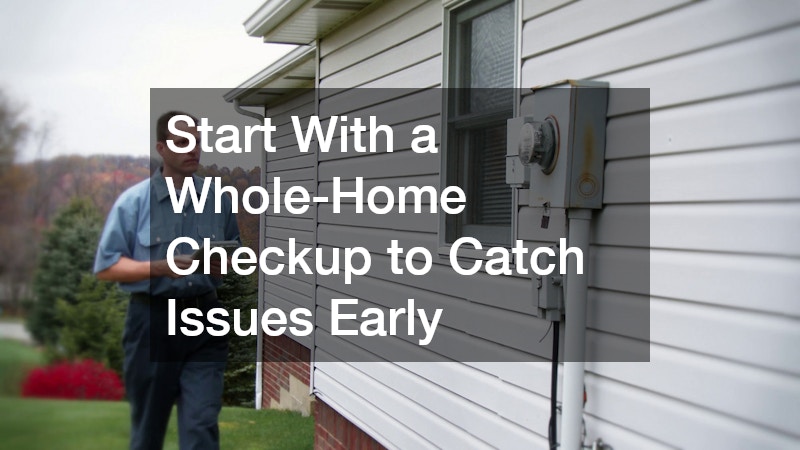
Before you can maintain your home properly, you need to understand its current condition. Many homeowners skip this step and jump straight into maintenance tasks without knowing what actually needs attention.
What to look at during your inspection
Walk through your home and evaluate the major systems:
- Heating and cooling equipment
- Thermostats and airflow
- Plumbing fixtures and water pressure
- Electrical panels and outlets
- Insulation and visible ductwork
Pay attention to anything that seems slightly off. Small issues often point to larger problems developing behind the scenes.
When to bring in professionals
While a basic inspection can be done yourself, there are times when it is worth calling experienced HVAC contractors. They can:
- Identify inefficiencies you may not notice
- Test system performance accurately
- Spot early signs of wear or failure
If you are already noticing uneven temperatures, strange noises, or rising energy bills, you may already need HVAC repairs.
Actionable tip
Create a simple checklist and document what you find. Even a basic note like “slight noise in system” or “airflow weaker in bedroom” can help you track changes over time and catch problems early.
Create a Seasonal Maintenance Plan That Keeps You Ahead
Trying to handle everything at once is overwhelming. The best way to stay consistent is to break your maintenance into seasonal tasks. This approach makes the workload feel manageable instead of stressful. It also aligns your efforts with how your home actually functions throughout the year. By focusing on what matters most each season, you reduce the chances of missing something important. Over time, these smaller, consistent actions build a routine that becomes second nature.
Spring: Prepare for the cooling season
- Clean or replace air filters
- Clear debris from outdoor units
- Check thermostat settings
- Schedule air conditioning service before peak summer demand
Getting ahead of the rush is key. Heating and air conditioning companies are often booked solid once temperatures spike.
Fall: Prepare for heating season
- Inspect insulation and weather sealing
- Test your heating system
- Replace filters again
- Schedule professional tune-ups
Why timing matters
Waiting until something breaks usually means:
- Higher repair costs
- Longer wait times
- More stress
Actionable tip
Set recurring reminders in your phone or calendar. Treat maintenance like an appointment, not an optional task.
Keep Your Heating System Reliable Before Winter Hits
What a proper tune-up includes
A professional furnace service should cover:
- Inspecting burners and ignition systems
- Checking heat exchangers
- Testing thermostat accuracy
- Replacing or cleaning filters
- Ensuring proper airflow
Common causes of breakdowns
Many heating failures come down to preventable issues:
- Dirty filters restricting airflow
- Worn-out components
- Ignition or pilot light problems
- Lack of regular maintenance
Ignoring these can quickly lead to emergency furnace repair.
Warning signs to watch for
- Uneven heating throughout the home
- Strange noises like banging or rattling
- Higher-than-normal energy bills
- Frequent cycling on and off
Actionable tip
Schedule your maintenance in early fall. This gives you time to address issues before the first cold snap.
Maintain Safe Ventilation and Reduce Fire Risks

Ventilation is one of the most overlooked parts of home maintenance, yet it plays a major role in safety. Proper airflow helps remove harmful gases and keeps indoor air quality at a healthy level. When ventilation is restricted, it can create conditions that put both your home and your health at risk. Many of these issues build slowly over time, making them easy to miss without regular checks. Staying proactive ensures your home remains both safe and comfortable year-round.
Why this matters
Over time, chimneys can accumulate debris and buildup that restrict airflow. This can lead to:
- Smoke backing into your home
- Increased fire risk
- Dangerous gas buildup
Regular chimney cleaning helps prevent these issues.
How often should it be done?
- Once a year for regular use
- More frequently if you use your fireplace heavily
- Immediately if you notice smoke or odor issues
Signs you need attention
- Strong odors when the fireplace is not in use
- Smoke entering the room
- Visible soot buildup
Actionable tip
Schedule chimney maintenance at the same time as your heating system check. It simplifies your routine and ensures nothing is missed.
Prevent Hot Water Disruptions With Simple Maintenance Habits
Common warning signs
- Water that fluctuates between hot and cold
- Rust-colored or cloudy water
- Popping or rumbling sounds from the tank
- Small leaks around the unit
These often indicate sediment buildup or internal wear.
Repair vs replacement
Call for local water heater repair when:
- The unit is under 10 years old
- The issue is minor, like a valve or thermostat
Consider replacement when:
- The tank is nearing the end of its lifespan
- Repairs are becoming frequent
Simple maintenance steps
- Flush the tank once a year
- Check the pressure relief valve
- Inspect for leaks or corrosion
Actionable tip
Put a reminder in your calendar to inspect your water heater every six months. It takes minutes and can prevent major headaches.
Prepare for Power Outages Before They Become Emergencies
Power outages are unpredictable, but your response does not have to be. Having a plan in place gives you control when the unexpected happens. Even a short outage can disrupt your routine and create unnecessary stress. Preparing ahead of time ensures your home stays functional and comfortable. It also protects essential systems and appliances from potential damage.
Why backup power matters
Outages can disrupt:
- Heating and cooling systems
- Refrigeration
- Lighting and security
Investing in generator services gives you control during these situations.
What to consider when choosing a generator
- Size of your home and power needs
- Fuel type and availability
- Automatic vs manual systems
Maintenance is just as important
Even the best generator will fail if it is not maintained.
- Test it regularly
- Check fuel levels
- Schedule periodic inspections
Actionable tip
Run your generator every few months to ensure it is working properly. Waiting until an outage is too late.
Manage Energy Sources Efficiently to Avoid Unexpected Shortages
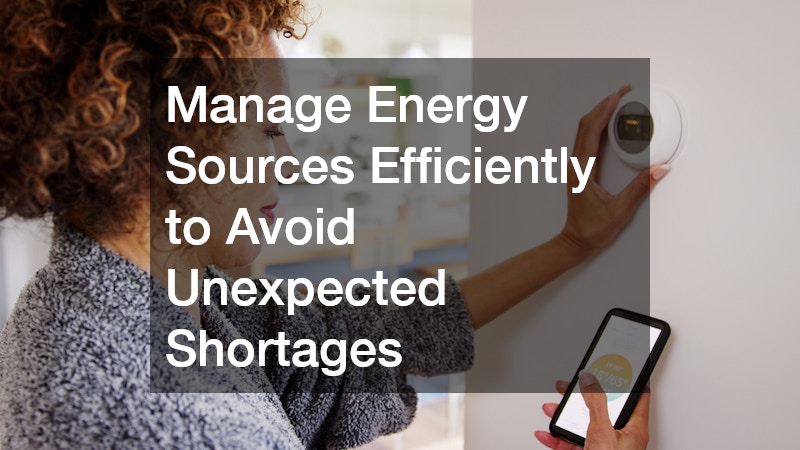
Why homeowners run into trouble
Many people underestimate how quickly they use fuel oil, especially during colder months.
How to stay ahead
- Track your usage patterns
- Monitor tank levels regularly
- Plan deliveries before levels get too low
Budgeting tips
- Spread costs over time with delivery plans
- Take advantage of off-season pricing
- Avoid emergency deliveries, which often cost more
Actionable tip
Set a minimum threshold for your tank and reorder before you reach it. This simple habit prevents last-minute stress.
Improve Cooling Efficiency Without Increasing Energy Bills
Cooling systems can become less efficient over time, even if they appear to be working fine. As components wear down, the system has to work harder to achieve the same results. This often leads to higher energy bills without any obvious warning signs. Small performance issues can gradually impact overall comfort throughout your home. Regular attention helps keep everything running smoothly and prevents unnecessary strain on the system.
What affects efficiency
- Dirty coils
- Low refrigerant levels
- Blocked airflow
- Poor insulation
Regular air conditioning service addresses these issues.
Simple ways to improve performance
- Replace filters regularly
- Seal leaks around windows and doors
- Use a programmable thermostat
- Keep vents clear of obstructions
Signs your system needs attention
- Longer cooling cycles
- Higher energy bills
- Uneven temperatures
Actionable tip
Do not wait for performance to drop. Schedule maintenance annually to keep your system running efficiently.
Know When Repairs Are Enough and When It’s Time to Upgrade
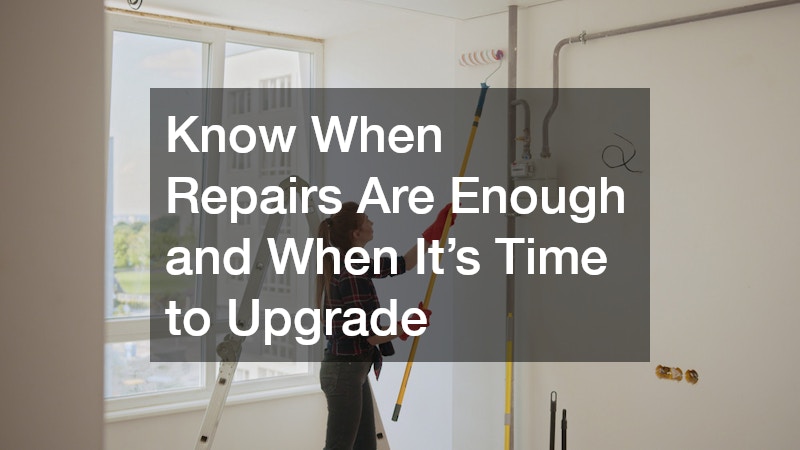
At some point, every system reaches a point where repairs are no longer the best option.
How to evaluate your situation
Ask yourself:
- How old is the system?
- How often does it need repairs?
- Are energy costs increasing?
Frequent HVAC repairs can add up quickly.
The 50 percent rule
If a repair costs more than half the price of a replacement, it is often smarter to upgrade.
Benefits of upgrading
- Improved efficiency
- Lower energy bills
- Better comfort and reliability
Actionable tip
Keep a record of all repairs. Patterns will help you make informed decisions instead of guessing.
Build Relationships With Trusted Professionals Before You Need Them
One of the smartest things you can do as a homeowner is build relationships with reliable service providers.
Why this matters
When something goes wrong, you do not want to be scrambling to find help.
What to look for
- Proper licensing and insurance
- Strong reviews and recommendations
- Clear communication and pricing
Questions to ask
- Do you offer maintenance plans?
- What is your response time for emergencies?
- How do you handle unexpected issues?
Benefits of ongoing relationships
- Priority service
- Better pricing over time
- Familiarity with your home systems
Research and choose your providers before you need them. Save their contact information so you are prepared.
Build A Home That Works For You
Maintaining a safe, efficient, and comfortable home is not about doing everything at once. It is about building consistent habits and staying one step ahead of potential problems. When you take a proactive approach, you reduce stress, save money, and create a home that works for you instead of against you. Small, regular actions make a big difference over time.
Start with one step at a time. Schedule an inspection, set up your seasonal plan, or handle a simple maintenance task you have been putting off. From there, everything becomes easier to manage. Over time, these small efforts build confidence and give you a better understanding of your home. You will start to recognize early warning signs before they turn into costly repairs. Staying consistent also helps you avoid last-minute emergencies that disrupt your routine. In the long run, a little attention now can lead to greater comfort, reliability, and peace of mind.