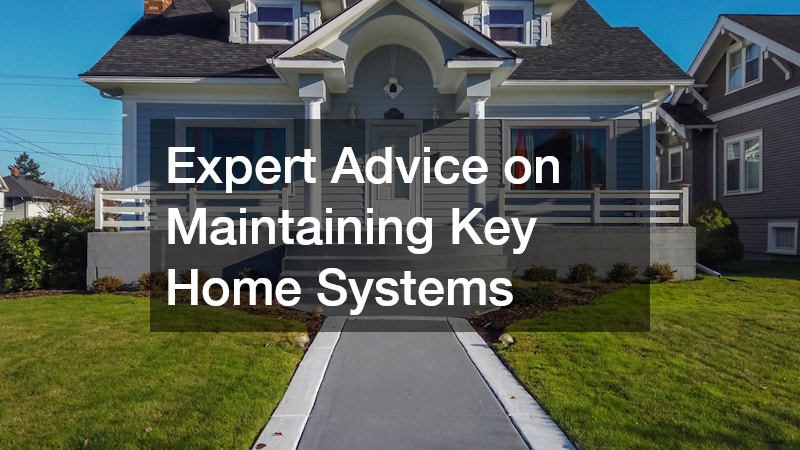
Maintaining key home systems is essential for preserving long-term value, ensuring safety, and providing daily comfort. Every component of a home, from structural elements like the roof and walls to mechanical and outdoor systems, works together to protect the property and its occupants. Neglecting even minor issues can lead to costly repairs, emergency situations, or diminished property value over time.
A proactive approach emphasizes regular inspections, preventive maintenance, and timely interventions. Homeowners who coordinate professional services efficiently can reduce disruption, extend the lifespan of critical systems, and improve overall efficiency. Seasonal planning, careful monitoring, and prioritization of high-risk areas help prevent small problems from escalating into larger, expensive issues.
Beyond preventing damage, consistent upkeep enhances home comfort, energy efficiency, and aesthetic appeal. For example, a properly maintained roof protects against leaks, while regular tree care reduces storm-related hazards. Coordinated attention to electrical systems ensures safety and uninterrupted functionality, and keeping structural elements in top condition preserves both the home’s integrity and market value. By combining preventative strategies with professional expertise, homeowners can create a safe, efficient, and welcoming environment that supports everyday living while protecting their long-term investment. This guide provides actionable strategies for maintaining roofing, electrical, and tree systems, along with advice on professional coordination, to ensure your home remains safe, functional, and visually appealing for years to come.
Inspecting and Maintaining Your Roof for Longevity

The roof is the first line of defense against weather, moisture, and structural damage. Regular inspections can detect early signs of wear, such as curling or missing shingles, sagging areas, or water stains on ceilings. Timely interventions help prevent leaks from compromising insulation, structural supports, or interior finishes.
Homeowners should schedule inspections at least twice a year, ideally in spring and fall, and after major storms. Checking flashing, gutters, vents, and skylights ensures the entire roof system functions properly. Engaging local roofing contractors for repairs or preventive maintenance not only addresses immediate concerns but also extends the lifespan of roofing materials, protects interior spaces, and safeguards the overall structural integrity of the home.
Tips for effective roof maintenance:
-
Schedule inspections at least twice per year, ideally in spring and fall.
-
Clear gutters and downspouts of leaves, debris, and ice to prevent water accumulation.
-
Inspect flashing, vents, and skylights for damage or improper sealing.
-
Document observed issues to plan repairs before minor problems worsen.
Routine roof repair and timely roof replacement preserve structural integrity and prevent long-term damage. Homeowners who address minor issues promptly save money by avoiding emergency repairs caused by water infiltration or storm damage. A consistent maintenance schedule ensures the roof performs reliably under all weather conditions.
Choosing and Coordinating Roofing Professionals
Selecting reliable professionals for roofing projects is critical to ensuring long-lasting results. Local roofing contractors bring knowledge of regional weather patterns, proper materials, and installation techniques that minimize future problems.
Homeowners should verify credentials, check references, and review past projects before hiring. Clear communication about project timelines, materials, and warranties ensures expectations are aligned. Coordinating inspections, minor repairs, and larger roof replacements with these professionals can prevent costly delays and maintain overall home integrity, providing peace of mind that the roof will perform effectively for years to come.
Considerations when hiring roofing experts:
-
Verify licenses, insurance, and local references to ensure credibility.
-
Request a detailed written estimate including labor, materials, and timeline.
-
Compare warranties for both products and workmanship to ensure coverage.
-
Schedule work strategically before seasons of high weather impact, like heavy rain or snow.
Coordinating with reputable contractors also allows homeowners to align roofing work with other home improvements, minimizing disruption and maintaining overall property aesthetics. Professional guidance ensures repairs are completed safely and correctly, protecting long-term investment.
Maintaining Interior Surfaces and Structural Integrity
Walls and ceilings are often overlooked, yet they are crucial for comfort and safety. Small cracks, water stains, or holes can indicate structural issues, leaks, or foundation shifts that may escalate if ignored.
Maintenance tips for interior surfaces:
-
Conduct regular inspections of drywall and plaster surfaces.
-
Hire a qualified drywall repair contractor for complex repairs.
-
Address leaks immediately to prevent mold growth and material deterioration.
-
Keep detailed records of repairs for future maintenance or resale purposes.
Proactive drywall maintenance helps maintain a visually appealing home while ensuring structural stability. Addressing minor issues early prevents escalation and reduces costs for more extensive repairs in the future.
Electrical System Safety and Reliability
Electrical systems are essential for home functionality and occupant safety. Outlets, circuits, and breaker panels should be inspected regularly to prevent hazards such as fires, short circuits, or damage to appliances.
Best practices for electrical safety:
-
Schedule routine inspections with a licensed electrical company.
-
Repair or replace faulty components promptly with a qualified electric repairman.
-
Install surge protectors for sensitive electronics.
-
Avoid overloading circuits and distribute power demands evenly.
Regular electrical maintenance ensures that new installations, including lighting and appliances, function safely. Timely interventions reduce energy waste, prevent hazards, and contribute to the long-term efficiency of home systems.
Working with Licensed Electricians for Complex Projects
For larger or code-sensitive electrical projects, working with local licensed electricians is critical. These professionals ensure compliance with safety standards and provide expertise for complex upgrades.
Tips for selecting an electrical professional:
-
Verify licenses, certifications, and insurance.
-
Request a written estimate and project timeline.
-
Plan larger projects in stages to minimize disruption.
-
Ask about preventative upgrades such as GFCI or AFCI outlets.
Coordinating with local licensed electricians ensures that both immediate and long-term electrical needs are addressed efficiently, reducing potential hazards and supporting future home improvements.
Maintaining Trees to Protect Your Home
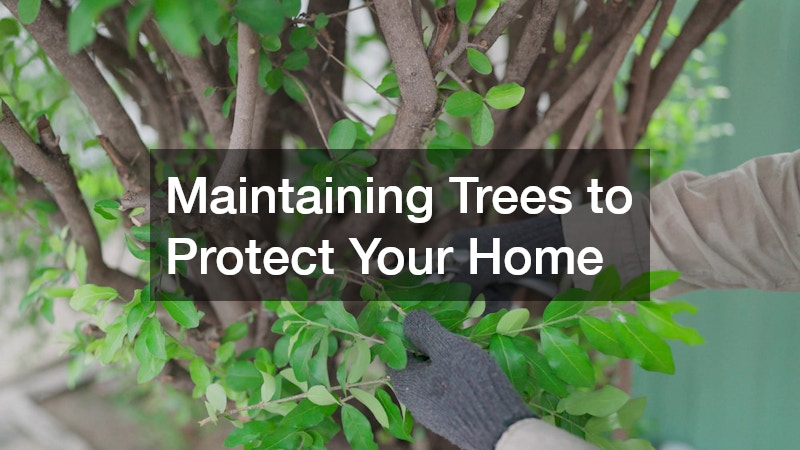
Trees enhance a home’s aesthetic appeal and provide shade, privacy, and wind protection. However, neglected or damaged trees can cause property damage or safety hazards. Regular maintenance helps prevent these risks.
Key tree maintenance practices:
-
Schedule routine evaluations with a local tree service.
-
Prune branches to maintain balance and remove diseased or damaged limbs.
-
Monitor root growth near foundations or driveways to prevent structural damage.
-
Remove dead or unstable trees promptly to prevent property hazards.
Incorporating tree cutting services and tree removals when necessary ensures that outdoor spaces remain both beautiful and safe. Proper maintenance reduces risk during storms and protects roofs, gutters, and nearby structures.
Coordinating Tree Services Efficiently
Managing tree maintenance efficiently prevents unnecessary disruption and reduces overall costs. Strategic scheduling allows homeowners to align pruning, cutting, and removal services.
Best practices for coordinating tree work:
-
Combine multiple tree services in a single visit where feasible.
-
Hire experienced professionals familiar with local conditions and species.
-
Comply with local ordinances regarding tree removals or pruning near property lines.
-
Maintain records of service for insurance, safety, and future planning.
Proper coordination with tree service professionals minimizes inconvenience while preserving the health and aesthetics of the landscape.
Integrating Roofing, Electrical, and Tree Maintenance Schedules
Efficient maintenance requires thoughtful scheduling to minimize disruption and optimize the performance of all home systems. Coordinating inspections and repairs across roofing, electrical, and tree services prevents overlapping projects and ensures that each system receives proper attention.
Tips for integrating maintenance schedules:
-
Develop an annual checklist for each system, including inspections, repairs, and preventive tasks.
-
Schedule roofing work before storm seasons and tree trimming in spring or fall.
-
Align electrical system checks with other home improvements or renovations.
-
Maintain communication with all contractors to ensure that timing, access, and priorities are coordinated.
Integrating schedules reduces stress, improves workflow for contractors, and ensures that homeowners get the most value from professional services. This approach also allows small problems to be addressed before they become larger, costlier issues, preserving home safety and efficiency.
Planning for Emergency Repairs and Unexpected Issues
Despite careful maintenance, emergencies can occur, such as storm-damaged roofs, power outages, or tree falls. Preparing in advance helps mitigate risks and ensures a rapid response.
Strategies for handling emergencies:
-
Keep contact information for local roofing contractors, electricians, and tree service professionals readily available.
-
Set aside a contingency fund for unexpected repairs.
-
Document the condition of key systems periodically for insurance and repair reference.
-
Understand warranty coverage for roofing, electrical, and tree services to prevent unnecessary out-of-pocket expenses.
Proactive preparation reduces downtime, ensures safety for occupants, and minimizes financial strain. Homeowners who anticipate potential issues can act quickly to prevent escalation and maintain their home’s long-term value.
Budgeting for Long-Term Home Maintenance
Maintaining a home requires financial planning to ensure funds are available for preventive care, inspections, and emergency repairs. Proper budgeting allows homeowners to address critical issues without delays.
Budgeting tips:
-
Allocate a percentage of the home’s value annually for maintenance.
-
Prioritize spending based on system age, usage, and risk.
-
Combine smaller upgrades, such as minor roof repairs or electrical inspections, to save costs.
-
Track expenses to plan future maintenance more accurately.
Budgeting strategically allows homeowners to invest in high-impact areas like roofing repair, tree cutting, or electrical upgrades without compromising other essential maintenance tasks.
Cost-Effective Maintenance Strategies
Homeowners can maximize efficiency and reduce expenses by combining preventive measures, seasonal planning, and professional expertise.
Cost-saving strategies include:
-
Bundling multiple services, such as roof inspections with gutter cleaning or tree pruning with removals.
-
Performing minor maintenance tasks in-house when safe, such as debris removal or visual inspections.
-
Scheduling seasonal inspections before high-demand periods to avoid premium charges.
-
Using high-quality materials and contractors to extend the life of repairs and reduce repeat work.
Effective cost management ensures that all systems remain functional and reliable while minimizing unnecessary spending, ultimately protecting long-term home value.
Documenting Maintenance for Home Value Preservation
Keeping detailed records of maintenance and repairs enhances both operational efficiency and property value. Documentation ensures that all contractors are aware of past work and helps future buyers understand the property’s upkeep.
Documentation practices:
-
Maintain a log of inspections, repairs, and replacements.
-
Keep receipts, warranties, and service agreements organized.
-
Record contractor notes and recommendations for future reference.
-
Use photos to track changes, repairs, and areas of concern.
Thorough documentation not only simplifies future maintenance but also adds credibility and reassurance for potential buyers, supporting long-term financial returns.
Evaluating and Updating Systems Over Time
Home systems evolve with age, technology, and usage patterns. Regular evaluation allows homeowners to replace outdated components before failures occur, ensuring continued performance and efficiency.
Key evaluation tips:
-
Inspect roofing, electrical panels, and trees for signs of wear annually.
-
Upgrade to energy-efficient HVAC systems or modern electrical components as needed.
-
Replace aging roofs or install preventative tree supports for older landscapes.
-
Review professional recommendations from previous inspections for potential improvements.
Continual evaluation supports sustainable home management and ensures that repairs or upgrades are made before problems compromise comfort or safety.
Partnering with Qualified Professionals
Selecting skilled, licensed professionals is essential for reliable, long-term maintenance. Proper credentials, experience, and local knowledge contribute to high-quality outcomes.
Professional selection tips:
-
Confirm licenses, certifications, and insurance for all contractors.
-
Check references and online reviews to assess reputation.
-
Ask for detailed written estimates including labor, materials, and timeline.
-
Develop ongoing relationships with trusted providers for routine maintenance and emergency work.
Partnerships with qualified professionals protect homeowners from faulty repairs, enhance system longevity, and ensure safe, code-compliant work.
Maintaining key home systems is a strategic process that combines preventive care, professional expertise, and organized planning. By focusing on roofing, electrical systems, tree care, and structural components, homeowners can prevent emergencies, reduce repair costs, and extend the lifespan of essential systems. Routine inspections, timely repairs, and strategic scheduling ensure that all parts of the home function optimally, providing safety, comfort, and long-term value.
Professional coordination enhances efficiency, reduces disruptions, and ensures that repairs meet industry standards. Keeping detailed records of inspections, repairs, and replacements provides clarity for future maintenance and adds credibility during resale. Integrating proactive maintenance with budgeting, emergency preparedness, and system evaluation allows homeowners to anticipate issues before they escalate.
By taking a proactive approach, engaging licensed professionals, and investing in regular upkeep, homes remain safe, resilient, and visually appealing. This structured, thoughtful management protects the property, improves comfort, and maintains financial and personal value for years to come, ensuring a home that stands the test of time. Additionally, involving family members in basic maintenance awareness, staying informed about evolving building codes and technology, and periodically reassessing home priorities further strengthen long-term outcomes, creating a property that is not only preserved but optimized for both everyday living and future resale.