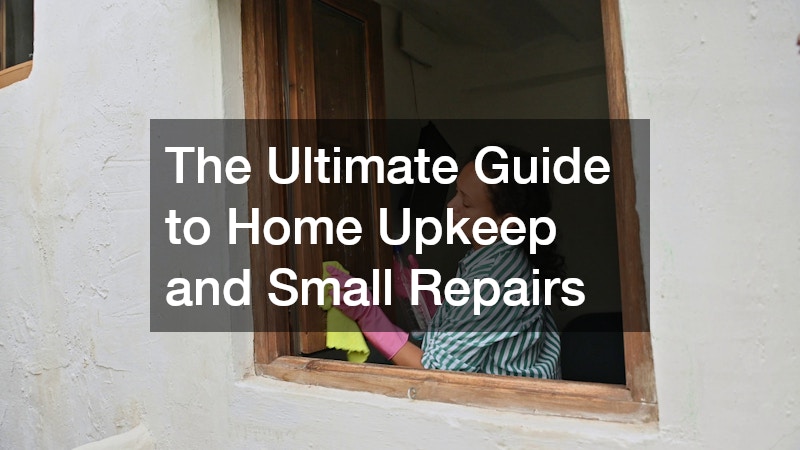
A well-maintained home requires consistent attention, not just during major renovations but throughout everyday living. Over time, even the most carefully built property will develop small issues that, if ignored, can grow into larger and more expensive problems. Seasonal changes, regular usage, and natural aging all contribute to wear across different systems in the home. Heating and cooling fluctuations can strain mechanical equipment, water systems can develop hidden inefficiencies, and exterior components are constantly exposed to weather conditions that slowly degrade materials.
Homeowners often underestimate how interconnected these systems are. A minor issue in one area can influence comfort, safety, and efficiency elsewhere in the home. For example, reduced airflow in one system can increase energy consumption, while small leaks in plumbing or drainage systems can lead to structural concerns over time. Likewise, exterior surfaces that are not properly maintained can impact safety and curb appeal while also affecting how water is directed away from the property.
Preventative care plays a major role in maintaining long-term home value. Addressing small repairs early helps avoid larger disruptions and extends the lifespan of essential systems. It also ensures that living spaces remain comfortable and functional throughout the year. Many homeowners find that routine inspections and timely fixes reduce unexpected expenses and help them stay ahead of potential issues before they escalate.
This guide explores key areas of home maintenance that commonly require attention. Each section focuses on a specific type of repair or system that plays an important role in overall home performance. By understanding how these systems function and recognizing early warning signs of wear, homeowners can make more informed decisions and maintain a safer, more efficient living environment.
Maintaining Indoor Cooling Efficiency and Comfort
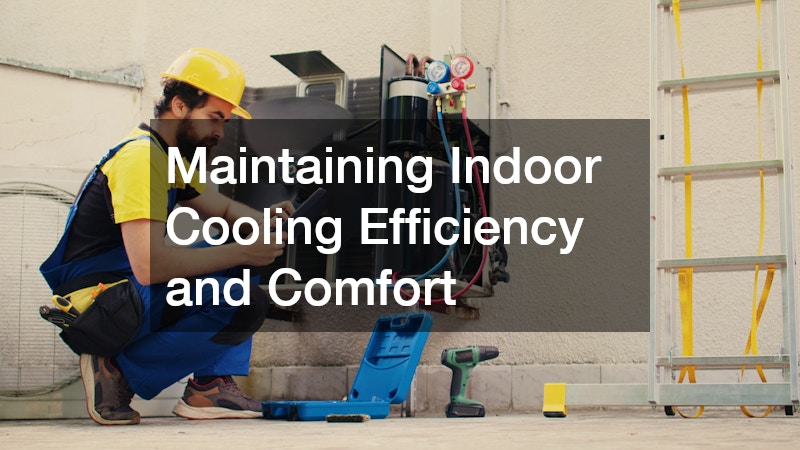
Indoor cooling systems play a major role in maintaining comfort during warm months, especially in regions with high humidity or extreme summer temperatures. When these systems begin to underperform, the effects are often noticeable quickly, with uneven temperatures, reduced airflow, or rising energy bills. These issues often lead homeowners to schedule AC repairs, which become necessary when filters, refrigerant levels, or internal components begin to fail.
Regular maintenance helps prevent many of these problems before they become disruptive. Cleaning filters, inspecting ductwork, and ensuring proper thermostat calibration can significantly improve performance. However, when deeper mechanical issues arise, professional attention is often required to restore full efficiency. Ignoring early signs of malfunction can place additional strain on the system, potentially shortening its lifespan and increasing long-term costs.
Comfort indoors is not just about temperature control but also air quality and energy efficiency. A well-functioning cooling system helps regulate humidity levels and reduces the likelihood of mold growth in enclosed spaces. It also ensures that airflow remains consistent throughout the home, preventing hot or cold spots that can make living areas uncomfortable.
Timely repair work can also reduce energy consumption. When systems operate inefficiently, they require more power to achieve the same results, which leads to higher utility bills. Addressing issues promptly helps maintain balanced performance and ensures that the system operates as designed. Regular inspections and early intervention remain the most effective strategies for preserving indoor comfort year-round.
Ensuring a Reliable Water Supply for Rural Properties
Homes that rely on private water systems depend heavily on consistent mechanical performance to maintain daily routines. When water pressure drops or supply becomes inconsistent, it can disrupt essential activities such as cooking, cleaning, and bathing, often signaling the need for well pump repairs.
Routine inspections are essential for identifying early signs of wear. Components such as pressure switches, tanks, and electrical connections should be checked regularly to ensure proper operation. Sediment buildup or mineral deposits can also impact system efficiency, leading to reduced water flow or irregular performance over time.
When problems occur, timely repair work is crucial to restoring reliable access. Delays can lead to more extensive damage, particularly if the system continues operating under strain. In some cases, minor adjustments can resolve the issue, while more complex situations may require component replacement or system recalibration.
Water reliability is a cornerstone of home functionality, especially in rural areas where alternative supply options are limited. Maintaining system health ensures uninterrupted access and reduces the risk of unexpected breakdowns. Preventative care not only extends equipment lifespan but also supports consistent water quality and pressure throughout the property.
Protecting Wastewater Systems from Costly Failures
Wastewater systems are essential for maintaining sanitation and overall home hygiene. When these systems fail or become compromised, the consequences can be both disruptive and costly, often requiring urgent septic repair to restore proper function.
Regular inspections help identify blockages, leaks, or structural deterioration before they escalate. Tree root intrusion, shifting soil, and aging materials are common causes of system failure. Addressing these issues early can prevent contamination risks and reduce the likelihood of major excavation or replacement work.
Proper system function depends on balanced flow and unobstructed pathways. When buildup occurs, pressure within the system increases, potentially leading to backups or overflows. Preventative maintenance ensures that waste moves efficiently through the system and reduces strain on key components.
Repair work in this area is often complex and requires specialized knowledge. Even small issues can escalate quickly if not addressed, making timely intervention essential. Maintaining a functional wastewater system protects both the home environment and surrounding property, ensuring long-term sanitation and safety.
Safeguarding Your Home from Weather-Related Damage
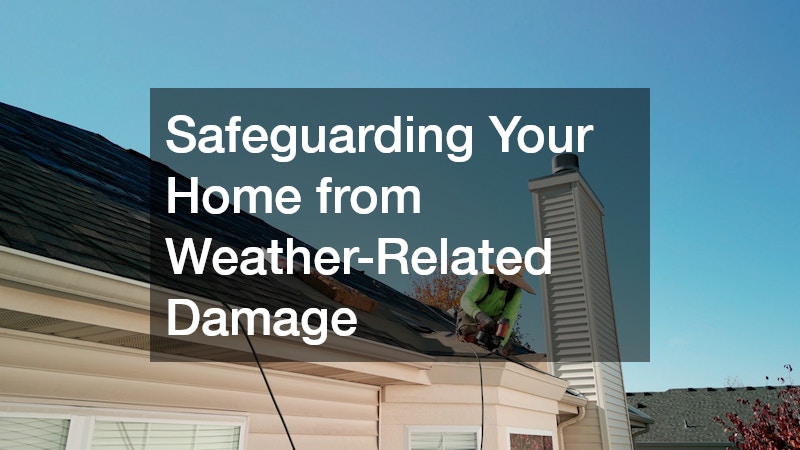
The roof serves as the first line of defense against environmental exposure, shielding the interior from rain, wind, and temperature fluctuations. Over time, weather conditions can cause gradual wear that leads to leaks, missing materials, or weakened structural integrity, eventually requiring roof repair.
Routine inspections are essential for identifying early signs of damage. Shingles, flashing, and seals should be examined regularly to ensure they remain intact. Even small gaps can allow moisture to enter, leading to insulation damage or interior staining. Seasonal changes often accelerate wear, making preventative care especially important.
Repairing minor issues promptly helps maintain structural integrity and prevents more extensive damage. Water intrusion can compromise framing and lead to mold growth if left unchecked. Ensuring that drainage paths remain clear also supports overall roof performance during heavy rainfall.
A well-maintained exterior structure not only protects the home but also contributes to energy efficiency. Proper insulation and sealing help regulate indoor temperatures, reducing strain on heating and cooling systems. Consistent maintenance ensures long-term durability and minimizes unexpected repair costs.
Improving Fireplace Safety and Ventilation
Fireplace systems require proper ventilation to operate safely and efficiently. When airflow becomes restricted, smoke and gases may not exit the home properly, creating potential health and safety concerns that often require a chimney repair service.
Regular cleaning and inspection help maintain safe operation. Removing buildup from internal channels ensures that airflow remains unobstructed and reduces the risk of fire hazards. Structural components should also be checked for cracks or deterioration that could impact performance.
Proper ventilation supports efficient burning and reduces indoor air contamination. When systems function correctly, heat is distributed more effectively, and emissions are safely directed outside. This improves both comfort and safety within the home.
Timely repair work helps prevent more serious issues from developing. Addressing small cracks or blockages early ensures that the system remains reliable throughout colder months. Consistent maintenance is key to safe and efficient operation.
Extending the Lifespan of Driveways and Outdoor Surfaces
Outdoor surfaces experience constant exposure to environmental stressors, including temperature shifts, moisture, and vehicle traffic. Over time, these factors can cause cracks, potholes, and surface deterioration, often requiring asphalt paving repair.
Routine maintenance helps preserve surface integrity. Filling cracks early prevents water from seeping into the base layers, which can weaken the overall structure. Seal coating and resurfacing also extend durability and improve appearance.
Proper drainage is essential for preventing water accumulation, which is a leading cause of surface damage. Ensuring that water flows away from paved areas reduces erosion and helps maintain structural stability.
Timely repair work not only improves safety but also enhances curb appeal. Well-maintained surfaces contribute to the overall appearance of the property and support long-term value retention.
Keeping Water Lines and Fixtures Functioning Properly
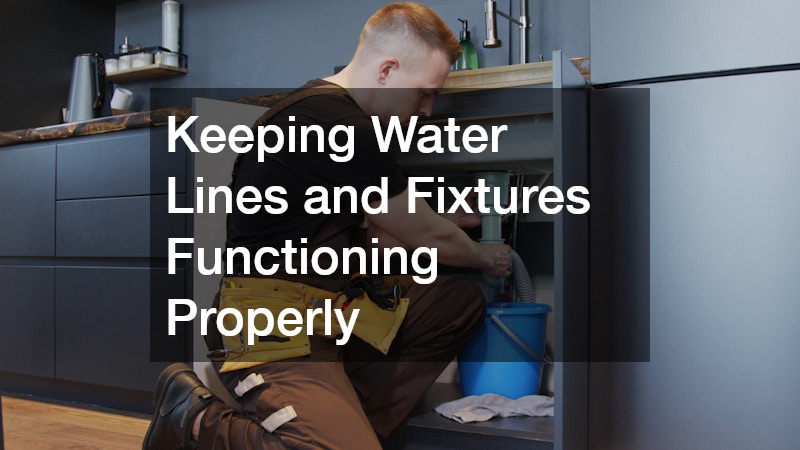
Internal water distribution systems are essential for daily household operations. When issues arise, they often present as leaks, reduced pressure, or inconsistent flow, often requiring plumbing repair services.
Early detection is key to preventing larger issues. Regular inspections help identify weak points before they develop into significant failures. Addressing small leaks quickly can prevent water damage and reduce waste.
Maintaining system efficiency ensures consistent performance across all fixtures. Properly functioning lines support appliances, sinks, and showers, contributing to overall household convenience.
Timely repair work helps prevent structural damage caused by prolonged leaks. Moisture intrusion can affect walls, flooring, and cabinetry if left unresolved. Preventative care supports long-term reliability and efficiency.
Preventing Water Damage Through Proper Drainage Control
Effective drainage systems protect homes from water accumulation and structural damage. When these systems become blocked or damaged, water can pool around the foundation, increasing the risk of erosion and basement intrusion, often leading to the need for gutter repair.
Regular cleaning of drainage components helps maintain proper flow. Removing debris from channels ensures that water is directed away from the structure efficiently. Seasonal inspections are especially important during periods of heavy rainfall.
Repairing damaged sections promptly helps maintain system effectiveness. Even small obstructions can lead to larger issues if water is not properly redirected. Consistent maintenance reduces long-term risk and protects structural integrity.
Restoring Natural Light and Indoor Insulation Efficiency
Windows play a dual role in both lighting and insulation. When seals weaken or frames deteriorate, energy efficiency can decline significantly, making window repair necessary to restore performance.
Repairing damaged components helps restore insulation performance and improves comfort indoors. Proper sealing reduces energy loss and helps maintain consistent indoor temperatures.
Well-maintained windows also enhance natural lighting, reducing the need for artificial lighting during daylight hours. This contributes to energy savings and improves overall living conditions.
Additionally, new window technologies offer enhanced UV protection, helping preserve interior furnishings. Investing in regular maintenance can extend the lifespan of windows, offering greater cost-effectiveness over time.
Maintaining Safe and Functional Entry Systems
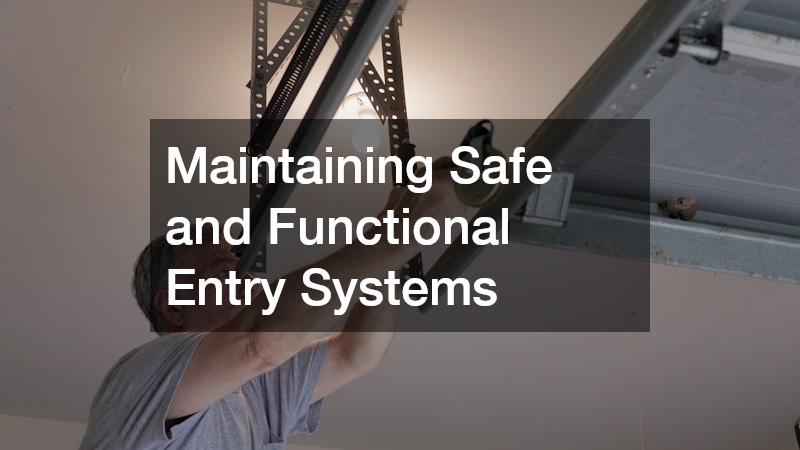
Garage entry systems rely on balanced mechanical components to operate safely. When springs or tension systems wear out, doors may become difficult to open or close, often requiring garage door spring repairs.
Regular inspection helps identify wear before failure occurs. Lubrication, alignment checks, and tension adjustments contribute to smoother operation and longer system life.
Timely repair work is essential for safety, as malfunctioning components can pose serious hazards. Maintaining these systems ensures reliable access and supports overall household security.
Home maintenance is an ongoing responsibility that directly impacts comfort, safety, and long-term property value. Every system within a home plays a specific role in ensuring that daily life runs smoothly, and when one area begins to fail, it often affects others in unexpected ways. From temperature control and water supply to structural integrity and drainage, each component contributes to the overall performance of the property.
Addressing small issues early is one of the most effective ways to prevent larger, more costly problems. Many systems show early warning signs before major failures occur, giving homeowners an opportunity to act before damage spreads. Routine inspections, preventative care, and timely repairs all work together to maintain efficiency and reduce long-term expenses.
Neglecting minor issues often leads to compounding problems. A small leak can turn into structural damage, while delayed mechanical maintenance can result in complete system failure. By staying proactive, homeowners can extend the lifespan of essential systems and avoid unnecessary disruptions. Consistency is key, as regular attention helps ensure that everything continues operating as intended.
Beyond functionality, proper maintenance also enhances comfort and quality of life. A well-maintained home is more efficient, safer, and more enjoyable to live in. Energy usage remains stable, indoor environments feel more balanced, and structural components remain secure against environmental stress.
Ultimately, responsible home upkeep is an investment in both present comfort and future value. Recognizing the importance of each system and responding to issues promptly helps protect the property, reduce costs, and maintain a stable living environment for years to come.